

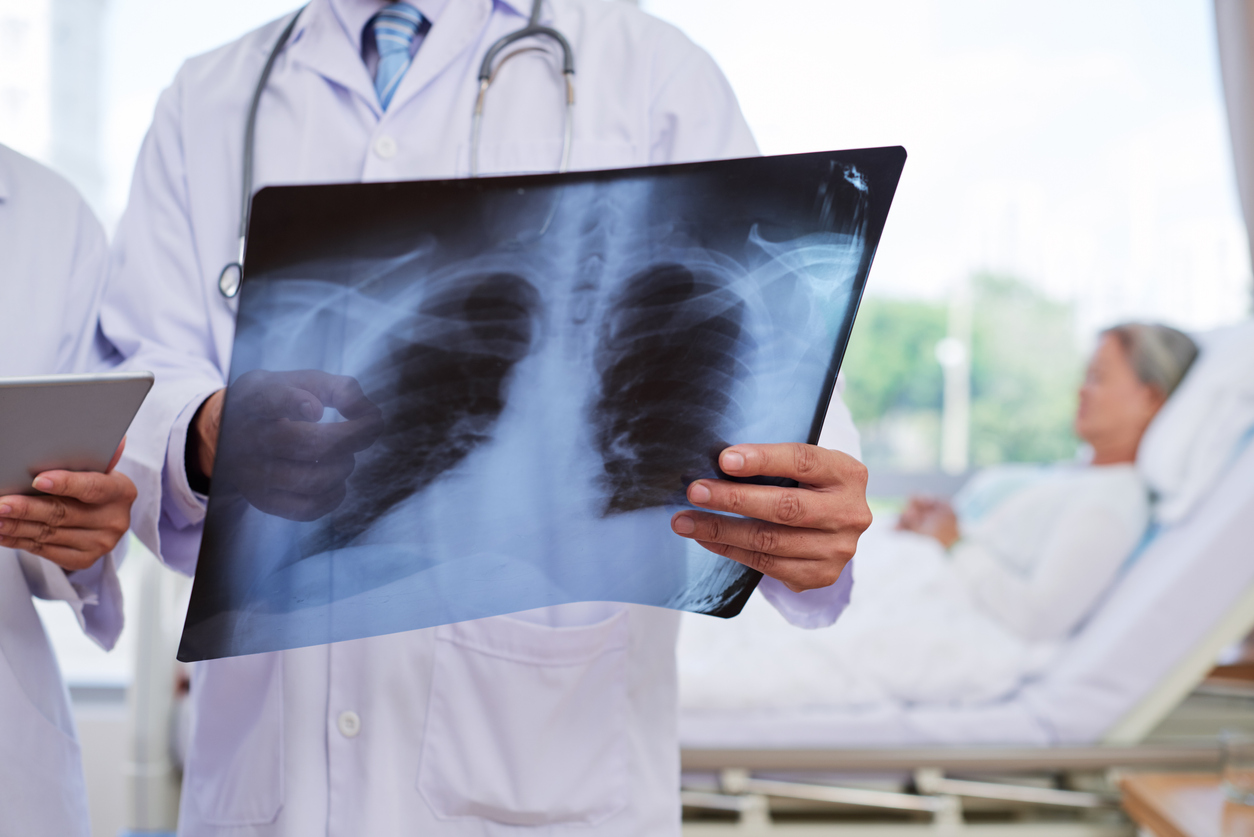
A fractured sternum, also known as a broken breastbone, is a painful injury that can occur after a car accident, fall, or other traumatic event involving the chest. The sternum is the flat bone located in the center of the chest that connects to the ribs and helps protect vital organs, including the heart and lungs.
Common symptoms of a fractured sternum include chest pain, tenderness, swelling, bruising, difficulty breathing, and pain that worsens with movement. In severe cases, a fractured sternum may be accompanied by injuries to the heart, lungs, or surrounding structures. Recognizing the symptoms of a fractured sternum is important for seeking prompt medical attention, preventing complications, and protecting your health after an accident.
Sharp Chest Pain
One of the most common symptoms of a fractured sternum is sharp, localized pain in the center of the chest. The pain typically begins immediately after the injury and may range from moderate discomfort to severe pain.
Chest pain associated with a fractured sternum may worsen when you:
- Take a deep breath
- Cough or sneeze
- Laugh
- Twist your upper body
- Lift heavy objects
- Change positions while sitting or lying down
Although chest pain is a common symptom of a fractured sternum, it can also indicate a heart or lung injury. Anyone experiencing chest pain after significant trauma should seek immediate medical evaluation.
Tenderness Around the Breastbone
Another common symptom is tenderness when touching or applying pressure to the breastbone.
The injured area may feel extremely sensitive, making everyday activities uncomfortable. Even light pressure from clothing, a seat belt, or certain sleeping positions can cause significant pain.
Tenderness may be concentrated directly over the fracture or extend into the surrounding chest muscles and rib cage.
Swelling and Bruising
A fractured sternum can cause swelling and bruising around the center of the chest. These symptoms develop when trauma damages the bone and surrounding soft tissues.
Swelling may appear shortly after the accident, while bruising can become more noticeable over the following hours or days.
Common signs include:
- Visible swelling over the breastbone
- Red, purple, or blue discoloration
- Tenderness around the injured area
- Bruising extending across the chest
In car accidents, bruising may follow the path of a seat belt. This pattern can indicate significant blunt-force trauma and should be evaluated by a medical professional.
Difficulty Breathing
Difficulty breathing is another potential symptom of a fractured sternum. Because the breastbone moves slightly as the chest expands, taking a deep breath can become painful.
Some individuals begin taking shallow breaths to avoid discomfort. However, prolonged shallow breathing can increase the risk of respiratory complications, including pneumonia.
Shortness of breath may also indicate a more serious associated injury, such as a collapsed lung or pulmonary contusion. Severe or worsening breathing difficulties require immediate emergency medical attention.
Pain When Moving the Upper Body
A fractured sternum can make everyday movements painful or difficult. Activities involving the chest, shoulders, and upper body may place additional stress on the injured bone.
Individuals may experience increased discomfort when:
- Reaching overhead
- Pushing or pulling objects
- Getting out of bed
- Turning their torso
- Lifting their arms
- Performing physical activities
These limitations can interfere with work, household responsibilities, and other daily activities.
Depending on the severity of the fracture, individuals may need to temporarily avoid strenuous activities while the bone heals.
Clicking or Grinding Sensations
Some individuals experience a clicking, popping, or grinding sensation around the breastbone after an injury. Although not everyone with a fractured sternum experiences this symptom, unusual movement or grinding sensations following chest trauma should be evaluated by a healthcare professional.
Avoid repeatedly pressing on the injured area or attempting to manipulate the bone, as doing so could worsen the injury.
Persistent Chest Pain
While many isolated sternum fractures heal without surgery, discomfort can continue for several weeks or longer.
Some individuals experience persistent pain when breathing deeply, sleeping, exercising, or performing physical activities.
Persistent or worsening symptoms should be evaluated to determine whether additional treatment is necessary.
Contact the Minneapolis Personal Injury Lawyers at Hall Law Personal Injury Attorneys for a Free Consultation
A fractured sternum can cause significant pain, medical expenses, lost wages, and disruptions to everyday life. If your injury resulted from someone else’s negligence, you may be entitled to compensation for your medical bills, lost income, pain and suffering, and other damages.
At Hall Law Personal Injury Attorneys, our experienced legal team helps accident victims pursue the compensation they deserve. Reach out today to schedule a free consultation with a Minneapolis personal injury lawyer.
We have three convenient locations in Minnesota, including Minneapolis, St. Cloud, and Edina:
Hall Law Personal Injury Attorneys – Minneapolis
825 Nicollet Mall, Suite 615, Minneapolis, MN 55402
(800) 292-1979

Find us with our GeoCoordinates: 44.97514068188609, -93.27349979814521
Hall Law Personal Injury Attorneys – St. Cloud
1010 W St Germain St # 320, St Cloud, MN 56301
(320) 255-1000
Find us with our GeoCoordinates: 45.55903612908877, -94.16420517306956
Hall Law Personal Injury Attorneys – Edina
5200 Willson Rd #203, Edina, MN 55424
(952) 697-5560
Find us with our GeoCoordinates: 44.90963991439301, -93.34937342327198