
Breaking a bone can change your routine in an instant. Simple tasks like driving, working, exercising, or even getting around the house can become difficult during recovery. One of the first questions many people ask after a fracture is how long it will take before they feel normal again.
The truth is that every injury is different. Some broken bones heal within a matter of weeks, while others may take several months or longer. Factors like your age, overall health, and the severity of the fracture all play a role in the healing process.
How Do Broken Bones Heal?
Although a broken bone can feel like a major setback, your body begins repairing the injury almost immediately.
The healing process generally happens in stages. First, a blood clot forms around the fracture site to stabilize the injury. Over the next several weeks, the body creates a soft callus made of collagen and cartilage. Eventually, that temporary material is replaced with new bone, restoring strength and structure to the area.
Even after a doctor confirms that a fracture has healed, it can take additional time for the bone and surrounding muscles to regain their full strength.
How Long Does It Usually Take a Bone to Heal?
Most broken bones heal within six to twelve weeks. However, healing times can vary significantly depending on the fracture’s location and severity.
For example:
- Finger and toe fractures often heal in four to six weeks.
- Wrist fractures typically take six to eight weeks to heal.
- Collarbone fractures may require six to 12 weeks.
- Rib fractures often take at least six weeks.
- Leg fractures can take several months to heal.
- Severe or complex fractures that require surgery may take three months or longer.
Keep in mind that healing and recovery are not always the same thing. While the bone itself may heal within a few months, regaining mobility, strength, and confidence can take additional time.
What Factors Affect Bone Healing?
No two people recover at exactly the same pace. Several factors can influence how quickly a fracture heals.
Age
Children and teenagers generally heal faster because their bones are still growing. Older adults often need more time to recover, particularly if they have underlying health conditions that affect bone density.
Overall Health
Your overall health can significantly impact recovery. Conditions such as diabetes, osteoporosis, and poor circulation may slow healing.
Nutrition
Your body needs the right nutrients to repair damaged bone. Calcium, vitamin D, and protein all play important roles in recovery. Eating a balanced diet can help support the healing process.
Smoking
Smoking can interfere with blood flow and reduce the body’s ability to repair damaged tissue. As a result, smokers often experience slower healing times and a greater risk of complications.
The Severity of the Injury
A simple fracture usually heals faster than a complex break involving multiple bone fragments, displacement, or damage to nearby muscles, ligaments, or nerves.
What Can You Do to Help a Broken Bone Heal?
While you cannot speed up the body’s natural healing process overnight, you can take steps to support your recovery.
Following your doctor’s recommendations is essential; depending on your injury, that may include:
- Wearing a cast, brace, or splint as instructed
- Attending follow-up appointments
- Avoiding activities that place stress on the injury
- Eating a healthy diet
- Staying away from tobacco products
- Participating in physical therapy when recommended
Many people feel tempted to return to their normal routine as soon as the pain begins to improve. However, doing too much too soon can increase the risk of reinjury and delay recovery.
When Does a Fracture Take Longer Than Expected to Heal?
Most broken bones heal without significant complications. However, some fractures take longer than expected.
You should speak with your healthcare provider if you experience:
- Ongoing pain that does not improve
- Persistent swelling
- Difficulty using the injured area after several months
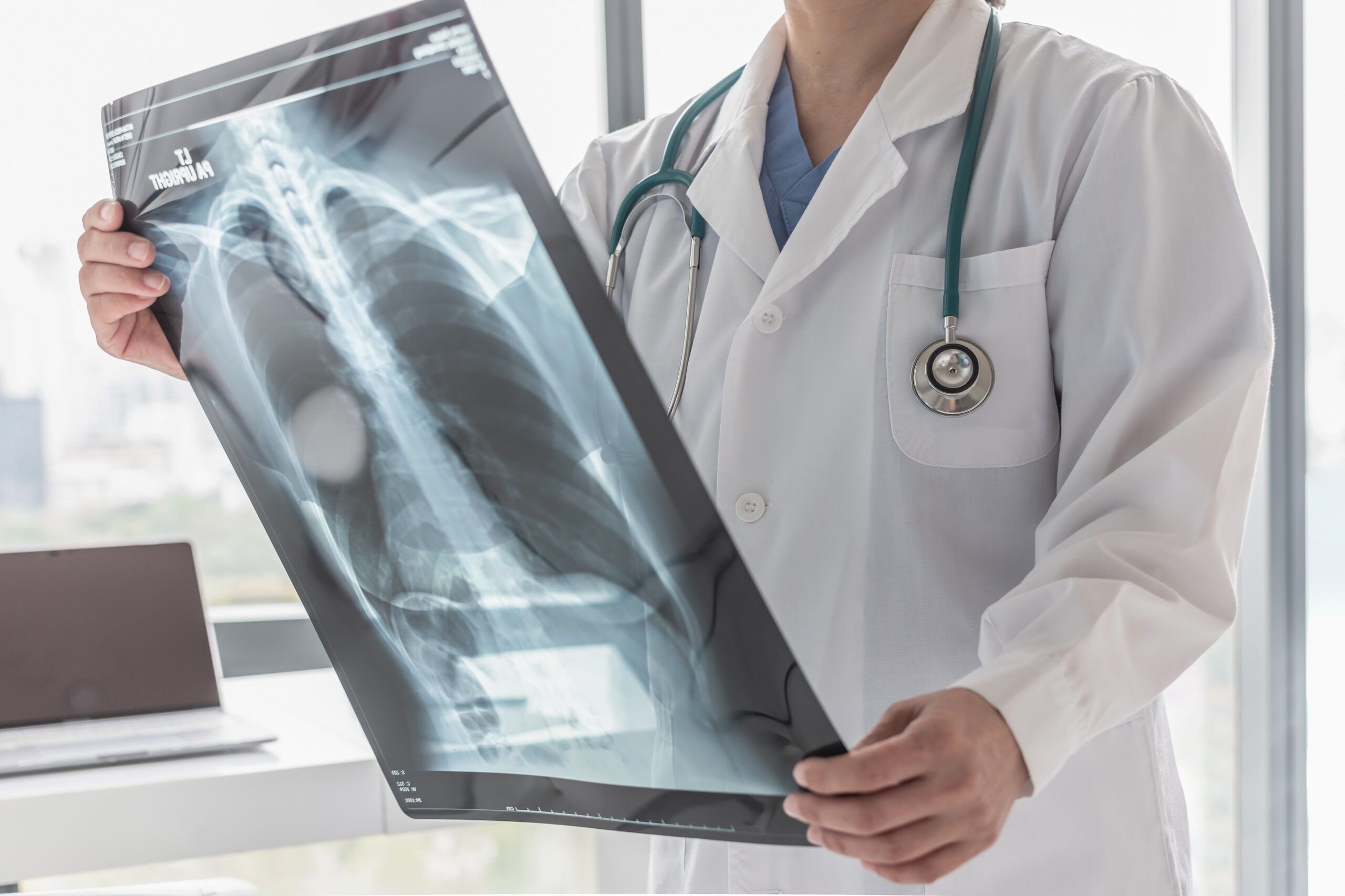
- Delayed healing shown on X-rays or other imaging tests
In some cases, a bone may develop a nonunion, which means it has failed to heal properly. Additional treatment, including surgery, may be necessary to correct the problem.
Broken Bones and Personal Injury Claims
Broken bones are among the most common injuries seen in personal injury cases. Car accidents, slip and fall accidents, workplace injuries, and other preventable incidents can all result in fractures.
Although many fractures eventually heal, the effects can last much longer than people expect. Medical bills, lost income, rehabilitation costs, and ongoing pain can create financial and emotional stress during recovery.
When someone else’s negligence causes an accident, the injured person may have the right to seek compensation for their losses.
Contact Hall Law Personal Injury Attorneys for a Free Consultation With an Edina Personal Injury Lawyer
Recovering from a broken bone can be frustrating, especially when the injury could have been prevented. If someone else’s careless actions caused your fracture, you should not have to shoulder the financial burden on your own.
Our team helps injury victims in Edina pursue compensation for their losses.
For more information, please contact an experienced personal injury lawyer at Hall Law Personal Injury Attorneys to schedule a free initial consultation today. We have three convenient locations in Minnesota, including Minneapolis, St. Cloud, and Edina.
We proudly serve Hennepin County, Stearns County, and their surrounding areas:
Hall Law Personal Injury Attorneys – Minneapolis
825 Nicollet Mall, Suite 615, Minneapolis, MN 55402
(800) 292-1979

Find us with our GeoCoordinates: 44.97514068188609, -93.27349979814521
Hall Law Personal Injury Attorneys – St. Cloud
1010 W St Germain St # 320, St Cloud, MN 56301
(320) 255-1000
Find us with our GeoCoordinates: 45.55903612908877, -94.16420517306956
Hall Law Personal Injury Attorneys – Edina
5200 Willson Rd #203, Edina, MN 55424
(952) 697-5560
Find us with our GeoCoordinates: 44.90963991439301, -93.34937342327198